
Preparing Your Business for the Future of Data Security
Understanding the Importance of Data Security
In today's digital age, data security is not just a tech issue—it's a business imperative. With cyber threats evolving rapidly, businesses must prioritize protecting sensitive information. A breach can result in severe financial losses and damage to reputation. Therefore, understanding the future of data security is crucial for any forward-thinking business.
Data security involves safeguarding data from unauthorized access and corruption throughout its lifecycle. This includes protecting personal information, proprietary business data, and intellectual property. As we move into a more interconnected world, the stakes are higher than ever.

Embrace Advanced Technologies
To stay ahead of potential threats, businesses should leverage advanced technologies like artificial intelligence (AI) and machine learning (ML). These technologies can predict and identify threats faster than traditional methods. Implementing AI-driven security solutions can enhance your ability to detect anomalies and respond to breaches proactively.
Moreover, blockchain technology is becoming an essential tool for securing data. Its decentralized nature ensures data integrity and transparency, making it a valuable asset in the fight against cybercrime. Businesses should explore how blockchain can be integrated into their data security strategies.
Invest in Employee Training
Human error remains one of the leading causes of data breaches. Investing in regular employee training can mitigate this risk. Employees should be educated on the latest security protocols, the importance of password management, and recognizing phishing attempts. Regular training sessions can empower your team to act as the first line of defense against cyber threats.

Develop a Comprehensive Data Security Policy
Having a well-defined data security policy is crucial. This policy should outline the procedures for data handling, storage, and transmission. It should also specify the roles and responsibilities of employees regarding data security. Regular audits and updates to the policy ensure it stays relevant and effective.
Your policy should also cover disaster recovery plans. Being prepared for a breach with a clear response strategy can minimize damage and ensure business continuity. Regularly test and update your disaster recovery plans to address new threats.
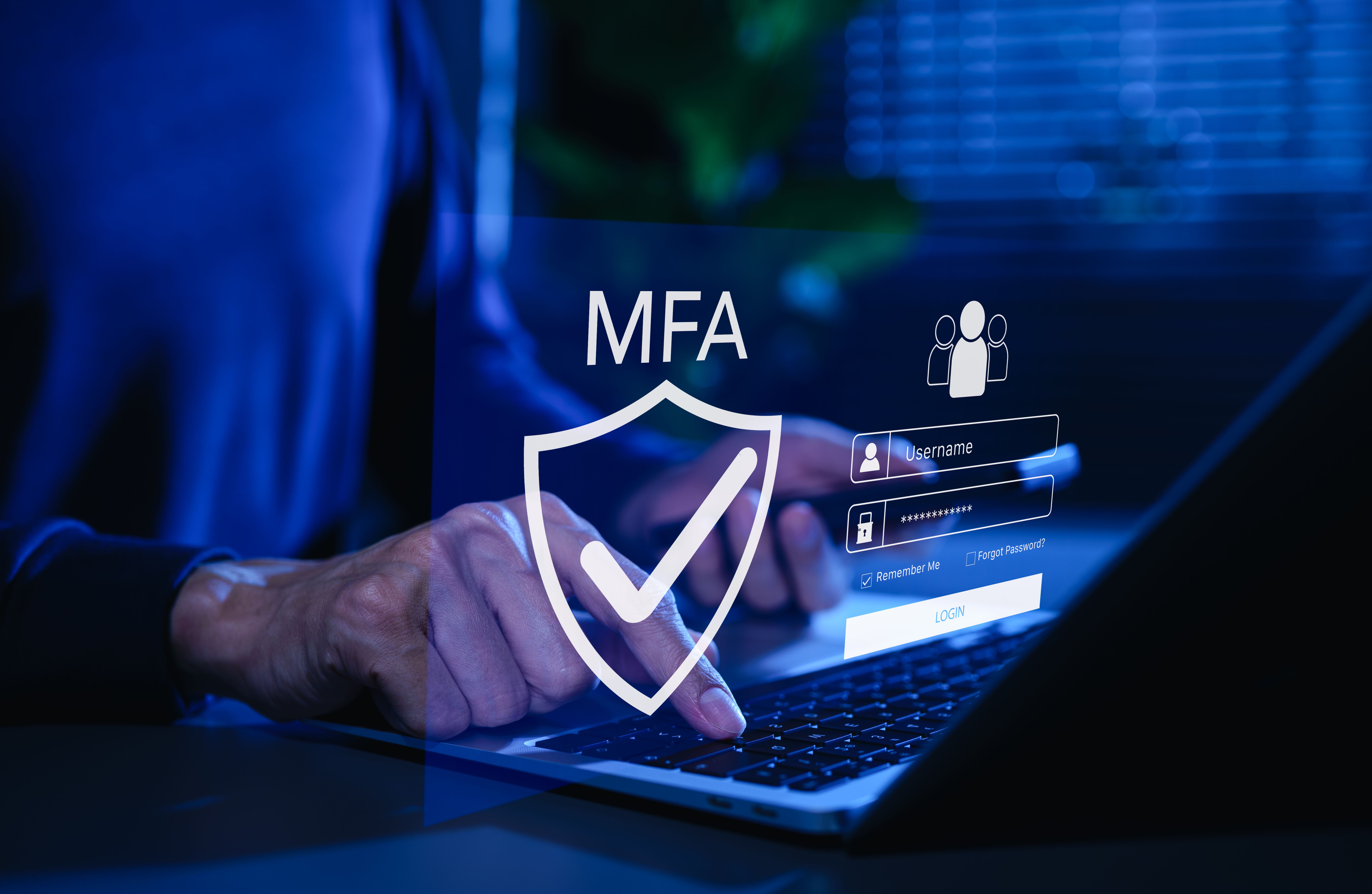
Utilize Multi-Factor Authentication
Implementing multi-factor authentication (MFA) adds an extra layer of security. By requiring multiple forms of verification, businesses can significantly reduce the risk of unauthorized access. Encourage the use of MFA for all sensitive data and applications within your organization.
Stay Informed About Regulatory Changes
Data protection regulations are constantly evolving. Staying informed about these changes is critical to ensure compliance and avoid costly penalties. Regulations such as GDPR and CCPA have set high standards for data protection, and businesses must adapt to meet these requirements.
Consider consulting with legal experts who specialize in data protection to ensure your business remains compliant. Regularly review and update your data security practices to align with new regulations.
Conclusion: A Proactive Approach
Preparing your business for the future of data security requires a proactive and comprehensive approach. By investing in advanced technologies, conducting regular training, and staying informed about regulatory changes, businesses can protect themselves from potential threats. Prioritizing data security today will safeguard your business for tomorrow.